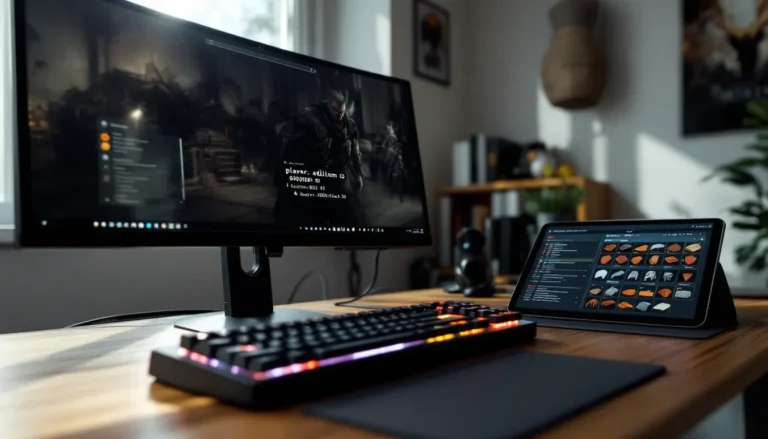
VR gaming vs traditional gaming represents one of the biggest debates among players today. Both options deliver unique experiences, but they differ significantly in how players interact with games, what equipment they need, and how much they cost. Traditional gaming has dominated the industry for decades through consoles, PCs, and handheld devices. VR gaming offers a newer alternative that places players directly inside virtual environments. This comparison breaks down the key differences between these two gaming styles. Whether someone values deep immersion or prefers the convenience of established platforms, understanding each option helps gamers make smarter choices about where to spend their time and money.
Table of Contents
ToggleKey Takeaways
- VR gaming vs traditional gaming comes down to immersion level—VR places you inside virtual worlds, while traditional gaming keeps you viewing action on a screen.
- Traditional gaming offers lower entry costs and thousands of titles, while VR requires specialized hardware starting around $500 for standalone headsets.
- VR gaming provides physical activity and genuine workouts, but sessions typically need to be shorter due to headset comfort and potential motion sickness.
- Strategy games and complex RPGs often work better with traditional setups, while action games, fitness apps, and social experiences shine in VR.
- Many gamers benefit from owning both—using VR for immersive experiences and traditional gaming for longer sessions and larger game libraries.
- Space requirements and physical accessibility favor traditional gaming, which works anywhere you can sit with a screen.
What Sets VR Gaming Apart From Traditional Gaming
The core difference between VR gaming vs traditional gaming comes down to perspective and interaction. Traditional gaming uses screens, controllers, and keyboards. Players view the action from outside, watching characters move through worlds displayed on monitors or TVs. VR gaming changes this relationship entirely.
With VR, players wear headsets that track head movements and display separate images to each eye. This creates stereoscopic 3D vision that mimics real-world depth perception. Motion controllers let users grab objects, swing weapons, and interact with environments using their actual hands.
Traditional gaming relies on abstraction. Pressing a button makes a character jump. In VR gaming, players physically duck, lean, and reach. The brain processes these movements as real actions within a virtual space.
Game design reflects these differences too. Traditional games often feature complex menu systems, miniature maps, and on-screen indicators. VR games build interfaces into the environment itself, a watch on the wrist displays health, ammunition appears on virtual weapons, and maps exist as physical objects players can hold.
Immersion and Gameplay Experience
Immersion separates these two gaming formats most dramatically. Traditional gaming delivers engagement through storytelling, graphics, and sound design. Great traditional games pull players into narratives and create emotional connections with characters. But, a physical barrier always exists between the player and the game world.
VR gaming removes that barrier. Horror games become genuinely frightening because threats occupy the same perceived space as the player. Racing games create actual sensations of speed and movement. Social VR experiences let users make eye contact and read body language in ways flat screens cannot replicate.
The VR gaming vs traditional gaming comparison also reveals different strengths in gameplay types. Strategy games, turn-based RPGs, and complex simulations often work better with traditional setups. These genres benefit from clear UI elements, multiple information panels, and the precision of mouse and keyboard controls.
Action games, fitness applications, and social experiences shine in VR. Beat Saber turns music gaming into physical exercise. Half-Life: Alyx demonstrates how VR transforms first-person shooters into something entirely new. VRChat and similar platforms create social spaces impossible to replicate through traditional gaming.
Session length matters here too. Many players enjoy traditional gaming for hours at a stretch. VR gaming typically works better in shorter sessions due to physical demands and potential discomfort from extended headset use.
Cost and Accessibility Considerations
Money plays a significant role in the VR gaming vs traditional gaming decision. Traditional gaming offers entry points at various price levels. A smartphone runs mobile games. Budget consoles cost a few hundred dollars. High-end gaming PCs reach into the thousands but deliver premium experiences.
VR gaming requires specific hardware investments. Standalone headsets like the Meta Quest 3 start around $500. PC VR setups demand both a capable computer and a headset, often totaling $1,500 or more for a quality experience. High-end options like the Valve Index push costs even higher.
Game libraries differ substantially between platforms. Traditional gaming offers thousands of titles across every genre imaginable. Decades of development have created massive catalogs on consoles and PC. VR gaming has grown rapidly but still features a smaller selection. Many popular traditional games have no VR equivalent.
Accessibility extends beyond cost. Traditional gaming works for nearly anyone who can operate a controller or keyboard. VR gaming presents additional requirements, physical space for movement, tolerance for motion in headsets, and in some cases, specific physical capabilities. Players with certain vision conditions, balance issues, or mobility limitations may find VR gaming challenging or impossible.
The used market favors traditional gaming too. Players can buy and sell physical game copies. VR games typically exist as digital-only purchases tied to specific platforms.
Health and Physical Impact
The health aspects of VR gaming vs traditional gaming present interesting contrasts. Traditional gaming often receives criticism for promoting sedentary behavior. Extended sessions involve sitting and minimal physical movement. Studies have linked excessive sedentary gaming to various health concerns including obesity, poor posture, and repetitive strain injuries.
VR gaming changes this equation. Many VR experiences require standing, moving, and using the whole body. Fitness-focused VR games like Supernatural and FitXR deliver genuine workouts. Even standard VR gaming burns more calories than traditional gaming simply through natural movement.
But, VR gaming introduces its own health considerations. Motion sickness affects some users, particularly in games with artificial locomotion. Eye strain from headset displays can cause discomfort. The weight of headsets creates neck fatigue during extended play.
Mental health effects differ as well. Traditional gaming’s social aspects typically occur through text chat, voice communication, or watching the same screen. VR social platforms create presence, the feeling of actually being with other people. This can strengthen social connections but may also intensify negative social experiences.
Both gaming types require moderation and awareness. Traditional gamers benefit from regular breaks and physical activity outside gaming. VR gamers need proper setup, boundary awareness, and attention to comfort signals their bodies send.
Choosing Between VR and Traditional Gaming
The VR gaming vs traditional gaming choice depends on personal priorities, budget, and play style. Neither option stands as objectively superior, they serve different needs and preferences.
Players seeking maximum immersion and physical engagement should explore VR gaming. Those who want the largest game libraries, longer play sessions, and lower entry costs will find traditional gaming more practical.
Many gamers choose both. VR gaming works as a complement to traditional setups rather than a replacement. Someone might play competitive multiplayer games on PC, enjoy story-driven RPGs on console, and use VR for fitness gaming and social experiences.
Space requirements matter in this decision. VR gaming needs room to move safely. Apartments and small spaces may limit VR options. Traditional gaming fits anywhere with a screen and a place to sit.
Social gaming preferences also influence the choice. Playing with friends who own VR headsets opens multiplayer VR opportunities. Groups focused on traditional gaming may find VR isolating since only one person uses the headset at a time in most setups.