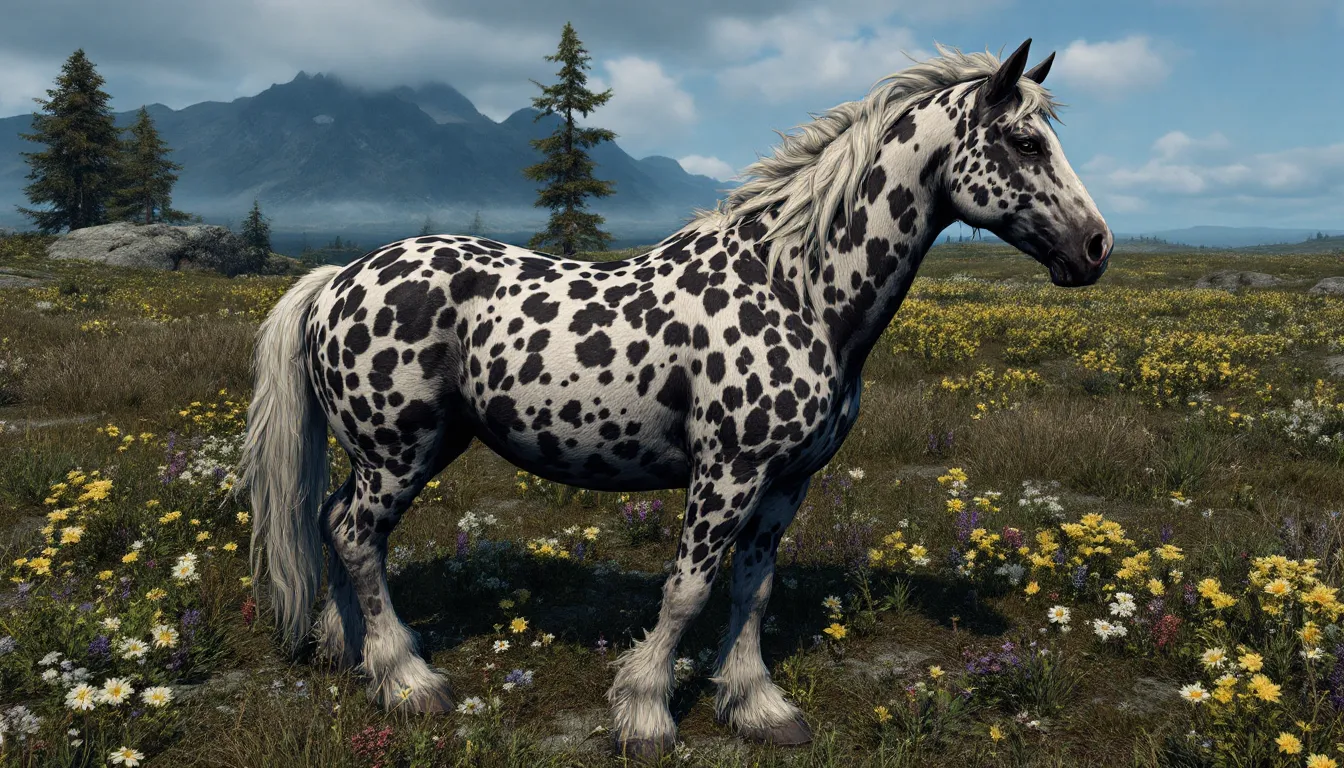
Wild horses in Skyrim aren’t exactly common knowledge. Unlike your standard stable purchase, these untamed mounts require actual tracking, patience, and a bit of luck, which is why so many players miss them entirely during their playthrough. But once you know where to look and how the spawn system works, you’ll never pay 1,000 gold for a basic mare again.
This guide covers every confirmed wild horse spawn location across Skyrim’s various holds, explains the mechanics behind taming these creatures, and breaks down whether hunting for wild horses is actually worth your time compared to just buying one from a stable. Whether you’re playing Anniversary Edition, Special Edition with mods, or the 2026 updated versions, the core spawn mechanics remain consistent, though we’ll flag where version differences matter.
Table of Contents
ToggleKey Takeaways
- Skyrim wild horse locations in The Rift and Falkreath offer free mounts with predictable spawn mechanics, eliminating the need to spend 1,000 gold at stables.
- Successfully claiming a wild horse requires walking or sneaking toward the mount to avoid triggering its spook radius, which causes it to flee for 30 seconds.
- Wild horses respawn every 10 in-game days and have identical stats to purchased horses, with coat color variations being purely cosmetic and not affecting gameplay performance.
- The Bonestrewn Crest in Eastmarch features the rarest dappled gray horse variant at a 25% spawn rate, rewarding higher-level players willing to face nearby dragon threats.
- If wild horses aren’t appearing despite correct location visits, check your mod load order—immersive horse mods and NPC population mods frequently conflict with vanilla wild horse spawn scripts.
- Managing multiple wild horses across different regions works best with the “Convenient Horses” mod, as the base game lacks a mount selection UI and only maintains one active horse at a time.
Understanding Wild Horses in Skyrim
What Makes Wild Horses Different from Regular Horses
Wild horses function differently than stable-bought mounts in a few key ways. First, they’re completely free, no 1,000 gold transaction required. Second, they spawn at specific wilderness locations rather than waiting in town. Third, and most importantly, wild horses don’t have an associated stable owner, meaning you won’t fail quests or create hostility by claiming one.
Statistically, wild horses share the same base stats as purchased horses: 100 carry weight and roughly 300-400 health depending on your level when you first encounter them. The main difference is cosmetic variety and the satisfaction of finding them yourself. Some players report that wild horses feel slightly more skittish when first mounted, but this is purely anecdotal, the game code treats them identically once claimed.
One crucial detail: wild horses in the base game and Anniversary Edition are permanent additions. Once you mount a wild horse, it becomes “yours” in the same way a purchased horse does. It’ll follow standard horse AI, wait outside dungeons, and can be killed permanently if you’re not careful.
Requirements and Preparations Before Horse Hunting
You don’t need special perks or items to claim wild horses, but a few preparations make the process smoother:
Level requirements: None. Wild horses can be claimed at level 1, though spawn locations in dangerous areas (like Eastmarch) might put low-level characters at risk from nearby predators.
Recommended gear:
- Decent sneak skill (30+) or sneak-enhancing armor helps you approach without spooking them
- A bow with paralysis poison if you’re struggling with skittish spawns
- Fast travel availability to reset spawn points if needed
Quest conflicts: No major quests interfere with wild horse claiming, but if you’re running the “A Lovely Letter” or other radiant horse-theft quests, be aware that game logic can sometimes tag your wild horse as “stolen” if you’re not careful about the claim sequence.
Most importantly, save before attempting to claim a wild horse. Spawn locations can bug out, especially if you’re running script-heavy mods, and you’ll want a backup if the horse vanishes mid-claim.
Complete Wild Horse Spawn Locations Map
The Rift Wild Horse Locations
The Rift hosts some of the most reliable wild horse spawns in the game. These locations refresh every 10 in-game days:
Glenmoril Coven area (Southwest Rift, near Falkreath border): Look for a brown or black horse grazing near the river, roughly halfway between Glenmoril Coven and Helgen. GPS coordinates place this at approximately -40,000, -75,000 if you’re using console commands to verify.
Heartwood Mill (North-central Rift): A white or gray horse often spawns in the meadow northeast of the mill. This is one of the easier claims since the area is relatively safe from hostile wildlife.
Shor’s Stone outskirts: East of the settlement, near the base of the mountain path toward Riften, a wild horse periodically appears. This spawn is less consistent than others, roughly 60% spawn rate based on community testing.
Whiterun Hold Spawn Points
Whiterun’s open plains make wild horse spotting easier, but spawn rates here are slightly lower than The Rift.
Grazing southwest of Whiterun: Between the Western Watchtower and the city walls, a horse occasionally spawns in the tundra grass. This location is visible from the main road, making it a frequent discovery for new players who stumble across it naturally.
Near Bleakwind Basin: A spawn point exists on the northern edge of this area, close to where the tundra transitions to rockier terrain. The horse here tends to be darker in color, usually black or dark brown.
Rorikstead periphery: West of Rorikstead, in the farmland area before you hit the Reach border, a wild horse spawn has been confirmed by multiple players. It’s one of the rarer spawns in Whiterun Hold, with maybe a 40% appearance rate.
Eastmarch Territory Horses
Eastmarch’s volcanic landscape makes these spawns more dangerous to reach, but the horses here include some unique coat variations.
Windhelm approach from the south: Between Mistwatch and Windhelm’s southern gate, a spawn point sits near the hot springs. Watch for frost trolls in this area, they’ve killed more than a few players mid-claim.
Kynesgrove region: Northwest of Kynesgrove, in the ashen plains, a wild horse sometimes appears. This spawn seems tied to the Throat of the World’s weather patterns, players report higher spawn rates during clear weather.
Bonestrewn Crest area: This is a high-risk, high-reward location. The horse that spawns here is often a rare dappled gray, but the proximity to the dragon lair makes claiming it a tense experience.
Falkreath and The Reach Locations
Falkreath’s dense forests hide wild horses well, while The Reach’s vertical terrain makes spotting them a challenge.
Falkreath – Lake Ilinalta western shore: A black horse regularly spawns on the grassy bank near the Abandoned Shack. Easy access and low enemy density make this a top pick for players who master early-game survival.
Falkreath – Pinewatch area: South of Pinewatch, in the clearing before you reach the river, a wild horse spawn has been documented. It’s less consistent than the Lake Ilinalta spawn but worth checking if you’re in the area.
The Reach – Karthwasten surroundings: West of Karthwasten, in the river valley, a brown or chestnut horse occasionally grazes. The Forsworn presence here makes this one of the more dangerous claims.
The Reach – Red Eagle Redoubt path: On the approach to this Forsworn stronghold, a wild horse spawn exists near the base of the cliffs. Given the location’s hostility, this is recommended only for players level 20+.
How to Successfully Tame and Claim Wild Horses
The Taming Mechanic Explained
Skyrim doesn’t have a traditional “taming” minigame. Claiming a wild horse is as simple as mounting it, but the approach matters.
Standard claim process:
- Approach the horse slowly (walking, not sprinting)
- Activate the horse when the prompt appears
- Mount successfully without being bucked off
Here’s where it gets technical: wild horses have a hidden “spook radius” of approximately 5-7 in-game units. If you sprint directly at them or draw a weapon within this radius, they’ll flee. Once spooked, they run for roughly 30 seconds before stopping, and the spook radius resets.
Sneak approach advantage: Approaching while sneaking reduces the spook radius by about 40%. Even with low sneak skill (15-20), crouching makes a noticeable difference. High sneak skill (70+) essentially eliminates the spook mechanic entirely.
Alternative method: Some players use the Calm spell from the Illusion school. Casting Calm on a wild horse before approach guarantees a successful mount, though it feels like overkill for most spawns.
Once mounted, the horse is yours. No ownership tag appears, but the game internally registers it as a player-owned mount. It’ll behave like any stable-bought horse from that point forward.
Common Mistakes to Avoid When Approaching Wild Horses
Players screw this up in predictable ways. Here’s what not to do:
Running directly at the horse: This is the number one failure point. Wild horses interpret sprinting as aggression. Walk or sneak, always.
Having a follower too close: Followers don’t respect the spook radius. If Lydia charges past you toward the horse, it’s gone. Command followers to wait at least 20 units away before attempting your claim.
Mounting during combat music: If you’re in “combat mode” (music cue, drawn weapon, nearby hostiles), the mount prompt often fails to appear. Clear all nearby threats first, wait for the combat music to fade, then approach.
Saving after spooking: If you spook a horse and immediately save, then reload that save, the horse sometimes despawns entirely due to a script quirk. Always save before the approach, not during.
Ignoring nearby predators: Wolves and bears will attack your claimed horse the moment you mount it if they’re in aggro range. Clear the area first, or be ready to defend your new mount immediately after claiming it.
Rare and Unique Wild Horse Variants
Special Coat Colors and Their Locations
Wild horse coat colors aren’t purely random, certain locations favor specific appearances, though RNG still plays a role.
White/Gray horses: Most commonly found in The Rift, particularly the Heartwood Mill spawn. These are among the most visually striking and the most sought-after by players who care about aesthetics.
Dappled Gray: The Bonestrewn Crest spawn in Eastmarch has the highest chance of producing this rare variant. Community data suggests roughly a 25% spawn rate for dappled gray at this location versus 5-10% elsewhere.
Pure Black: Lake Ilinalta (Falkreath) and the Whiterun tundra spawns lean heavily toward black horses. If you’re specifically hunting for a black mount, these locations save time.
Chestnut/Brown: The most common coloration, appearing at virtually every spawn point with roughly 40-50% frequency.
Painted/Piebald: Technically available in Anniversary Edition’s wild horse spawns, though the appearance rate is absurdly low (estimated under 5%). Players hunting for this variant often resort to save-scumming at high-frequency spawn points.
For those running extensive modding setups, several popular mods add additional coat variants, including palomino and roan patterns. These won’t appear in vanilla or Anniversary Edition without mod support.
Stats Differences Between Wild Horse Types
Here’s the truth: there are no stat differences between wild horse coat colors in vanilla Skyrim. A white horse has identical health, stamina, speed, and carry weight to a black horse. The variations are purely cosmetic.
That said, some nuance exists:
Level-scaled health: All horses (wild or purchased) scale their health based on the player’s level at first encounter. A horse claimed at level 5 will have lower max health than one claimed at level 30. The formula is roughly base 300 + (player level × 5), capping around 500 health.
Speed: Completely identical across all horse types. The perception that certain horses “feel faster” is placebo, though terrain and frame rate can create this illusion.
Carry weight: Locked at 100 for all horses, wild or purchased. No vanilla method increases this, though mods like “Convenient Horses” can modify it.
The only “stat difference” worth noting is that horses claimed in dangerous areas are often higher level simply because players tend to be higher level when reaching those zones. A horse from Bonestrewn Crest (level 20+ area) will typically have better health than one from Whiterun (accessible at level 1).
Troubleshooting: Wild Horses Not Spawning
Respawn Timers and Reset Methods
Wild horses operate on a 10-day respawn cycle tied to cell resets. If you visit a spawn location and find nothing, here’s how to force a refresh:
Wait method: Fast travel away from the spawn area (at least two map markers distance), then use the Wait function to pass 10 in-game days. Fast travel back and check again. Success rate: approximately 80%.
Cell reset via interior: Enter and exit a dungeon or building near the spawn location. This forces the exterior cell to reload. The horse won’t respawn immediately, but if you’re past the 10-day timer, this can trigger the appearance. Success rate: 60%.
Console command reset (PC only): Open console, click the spawn area, type resetinterior (if it’s an exterior cell, use recycleactor on any nearby NPC to force a cell refresh). This is the nuclear option and can cause unintended side effects.
Respawn mechanics interaction: If you’ve already claimed a wild horse and it’s still alive somewhere in the world, that spawn point typically won’t generate a new horse. The game treats it as “occupied.” Losing or killing your current horse can sometimes enable the spawn to refresh.
Some players report that having too many active horses in your game (from quests, Dark Brotherhood, etc.) can suppress wild horse spawns. There’s no confirmed spawn cap, but anecdotal evidence suggests the game deprioritizes wild horse spawns when you own multiple mounts.
Mod Conflicts and Compatibility Issues
Mod-heavy load orders frequently break wild horse spawns. Common culprits:
Immersive Horses / Convenient Horses: These overhaul mods sometimes override wild horse spawn scripts. Check the mod’s configuration menu for “wild horse” or “spawn” settings, many include toggles to restore vanilla behavior.
Populated Skyrim / Immersive Patrols: Mods that add NPCs and creatures can occupy spawn points, preventing horses from appearing. Load order matters here: ensure horse-specific mods load after population mods.
USSEP (Unofficial Skyrim Special Edition Patch): Rarely causes issues on its own, but when combined with other gameplay overhauls, can create edge cases where spawn timers don’t reset properly.
Creation Club content: Anniversary Edition includes several CC mods that add new mounts. Some players report that owning CC horses (like the Saints & Seducers horse) reduces wild horse spawn rates, though this is unconfirmed.
Testing mod conflicts: Disable horse-related mods one at a time, load a save from before you visited the spawn location, then check if the horse appears. Tedious, but effective.
If you’re running a comprehensive modding community build, check compatibility notes on Nexus Mods for each horse-related mod. Many include patches specifically for wild horse spawn compatibility.
Wild Horses vs Purchased Horses: Which Is Better
The short answer: wild horses are better if you value free resources and don’t mind the hunting time. Purchased horses are better if you want convenience and immediate access.
Cost analysis: A wild horse costs zero gold. Stable horses run 1,000 gold each. Early-game, that 1,000 gold buys you enchanted gear, training sessions, or a house down payment. Late-game, it’s pocket change. The value proposition shifts dramatically based on your playthrough stage.
Availability: Purchased horses are available immediately at any stable (Whiterun, Markarth, Solitude, Riften, Windhelm). Wild horses require travel, potentially dangerous routes, and RNG. If you’re in a rush or playing on survival mode with limited fast travel, stable horses win on accessibility.
Stats and functionality: Identical. Zero gameplay difference once claimed. The only edge case is Shadowmere (Dark Brotherhood) and Arvak (Dawnguard), which have unique stats and abilities. But comparing standard wild vs. purchased? Same performance.
Aesthetic preference: Wild horses offer more coat variety in a single playthrough. Stables have fixed inventories, Whiterun always sells the same brown horse, for instance. If you care about matching your mount to your character’s look, wild hunting gives you more options.
Risk factor: Claiming a wild horse near Bonestrewn Crest or in Forsworn territory carries genuine danger. Buying from a stable has zero risk. For hardcore or survival mode players, that risk-reward calculation matters.
Verdict: Wild horses are optimal for players who enjoy exploration, want to save gold, and don’t mind the hunt. Purchased horses suit players who prioritize efficiency, are gold-rich, or play with limited exploration time.
Tips for Managing Multiple Horses in Your Playthrough
Skyrim’s horse management is notoriously clunky. The game doesn’t include a stable UI or mount selection menu, so juggling multiple horses requires system knowledge.
Which horse you’re currently “riding”: The last horse you mounted becomes your “active” horse. It’s the one that follows you, waits outside dungeons, and appears when you fast travel. There’s no way to change this without physically mounting a different horse.
Abandoned horse behavior: If you claim a wild horse, ride it for a while, then purchase a stable horse, your wild horse doesn’t despawn. It remains at the last location you dismounted. You can theoretically collect horses across Skyrim like a weird equine Pokémon collection, though they serve no practical purpose once abandoned.
Fast travel mechanics: Fast traveling always brings your active horse with you (unless it’s dead or too far from the travel point). This can create situations where you fast travel to Markarth, but your wild horse is still grazing near Riften because you switched mounts.
Death and replacement: If your active horse dies, the game doesn’t automatically assign a new one. You’ll need to manually mount another horse to make it active. Many players discover they’ve been walking for hours after a horse death because they didn’t realize they needed to reclaim a mount.
Follower horses: Some followers (like Cicero) have their own horses. These don’t count against your “active” horse slot and follow independent AI. They can, but, create traffic jams in narrow paths.
Mod solutions: If managing multiple horses drives you crazy, “Convenient Horses” adds a whistle mechanic, mount selection UI, and much better tracking. It’s basically essential for anyone collecting multiple mounts.
Practical approach: Most players stick with one horse. Claiming multiple wild horses makes sense only if you’re role-playing, want backups in different regions, or enjoy the collection aspect. From a pure gameplay perspective, one reliable mount (wild or purchased) covers all transportation needs.
Conclusion
Wild horses skyrim locations might not be the first thing on every player’s checklist, but they offer a free, reliable mount option once you know the spawn mechanics. The Rift and Falkreath locations provide the easiest claims for new players, while Eastmarch and The Reach spots reward higher-level characters with rare coat variants.
Whether wild horses are worth the hunt depends entirely on your playthrough priorities. If you’re gold-strapped early or enjoy exploration-based goals, they’re absolutely worth tracking down. If you’re swimming in septims and value convenience, a stable purchase makes more sense.
Either way, understanding the respawn timers, approach mechanics, and spawn locations gives you complete control over your mounted experience. And if wild horses refuse to spawn even though following this guide, check your mod load order, nine times out of ten, that’s the culprit.